
SEO stands for Search Engine Optimization.
In simple terms, SEO is the process of optimizing your website so that it appears higher in search engines like Google when people search for information, products, or services related to your business. SEO focuses on making your website more visible, more understandable, and more valuable to both search engines and users. When your site is optimized properly, search engines can clearly understand what your content is about and when it should be displayed to users.
For example:
If someone searches “best digital marketing agency” and your website appears on the first page of Google, that result is possible because of SEO. Behind the scenes, SEO helps by optimizing your content, keywords, website structure, and overall user experience so that Google considers your website relevant and trustworthy for that search.
SEO helps your website:
- Get more visitors
- Build trust and credibility
- Grow your business organically (without paid ads)
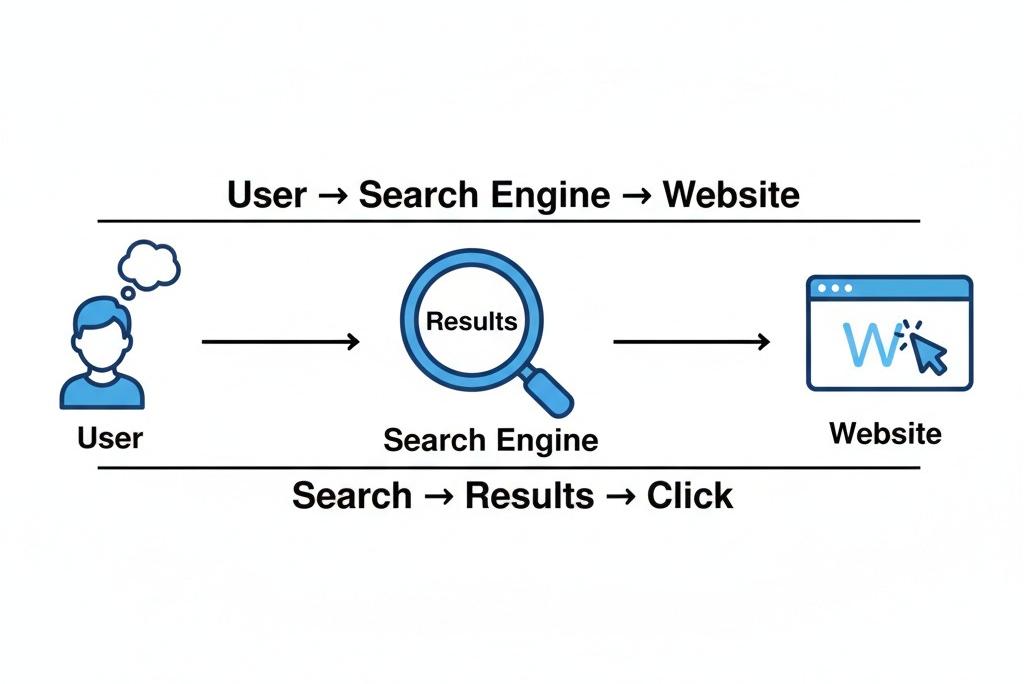
What is SEO in Simple Words
SEO means making your website easy to understand for search engines and useful for people. It is about clearly organizing your content so users can quickly find answers and search engines can easily identify the purpose of each page. When your website communicates clearly, it performs better in search results.
Search engines like Google want to show:
- Helpful content
- Trusted websites
- Fast and user-friendly pages
SEO helps your website meet these requirements by optimizing content quality, page experience, and technical performance. When users are satisfied with your website, search engines notice this and reward your site with better visibility.
How Does SEO Work?
SEO works in three main steps. These steps explain how search engines find, understand, and rank websites on the internet.
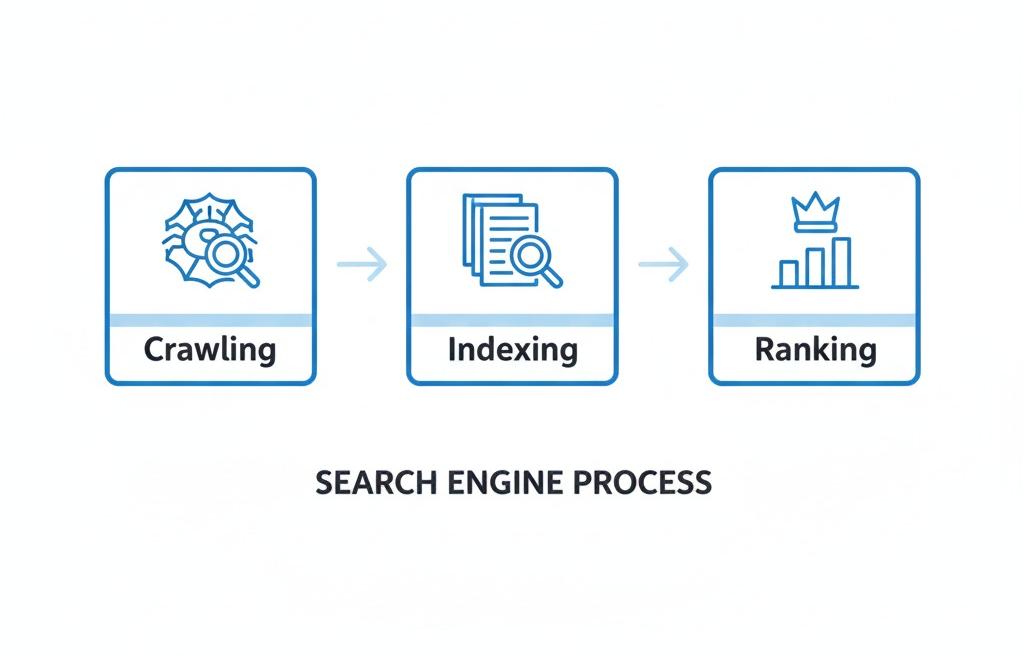
1. Crawling
Search engines send bots to discover your website and pages. These bots scan your content, links, images, and structure to understand what information your website provides and how different pages are connected.
2. Indexing
Google stores your content in its database and understands what your page is about. During indexing, Google analyzes your text, keywords, images, and overall relevance to decide when your page should appear in search results.
3. Ranking
When users search for something, Google shows the most relevant and helpful pages first. SEO helps your website rank higher by improving content quality, website structure, user experience, and technical performance so that search engines see your page as a better option than others.
Why is SEO Important?
SEO is important because most people trust search engines to guide them to the best information. Users usually click on websites that appear at the top of search results, believing they are more reliable and authoritative.
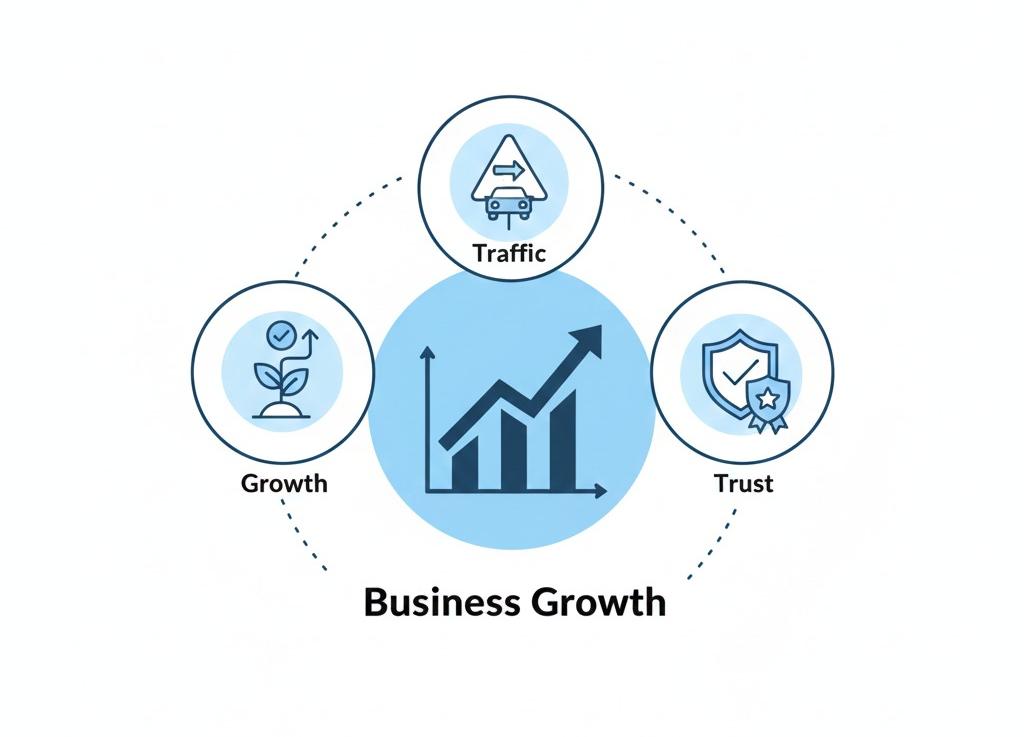
Here’s why SEO matters:
📈 Increases website traffic
🤝 Builds long-term trust
💰 Generates quality leads
🌍 Improves online visibility
⏳ Works 24/7 for your business
Unlike ads, SEO brings free and consistent traffic over time. Even when you are not actively promoting your website, SEO continues to attract users who are searching for what you offer.
Benefits of SEO for Businesses
SEO is not only for big companies. It helps small, medium, and large businesses establish a strong online presence and compete effectively in the digital space. Regardless of business size, SEO creates equal opportunities to reach the right audience.
Key benefits:
- Higher Google rankings
- More potential customers
- Better brand awareness
- Lower marketing costs
- Higher conversion rates
SEO helps businesses grow organically and sustainably by attracting users who are already interested in their products or services.
Type of SEO
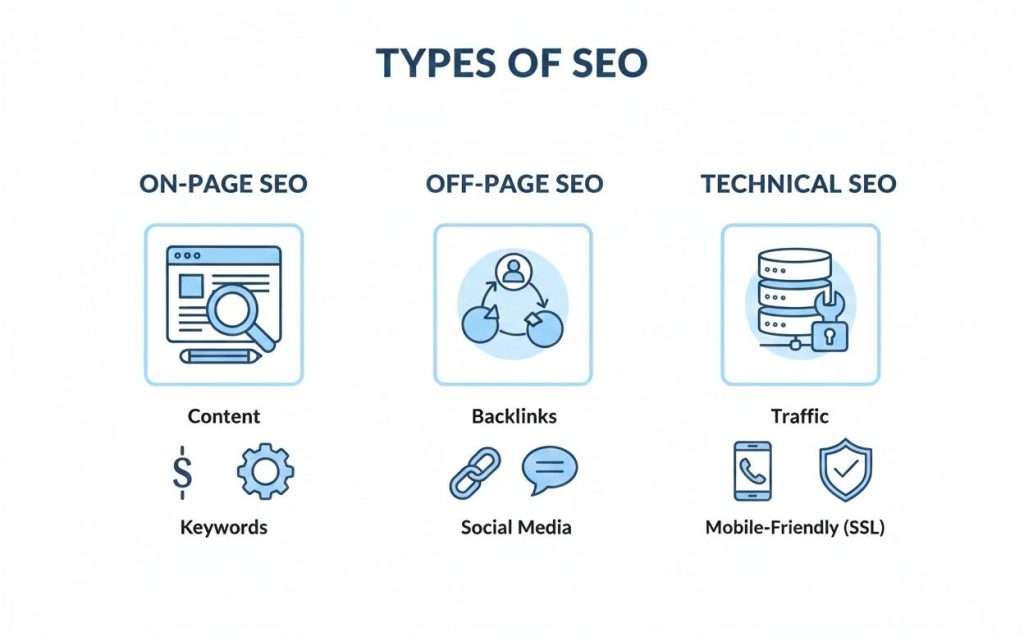
SEO is mainly divided into three core types. Each type plays an important role in optimizing website performance and rankings.
1. On-Page SEO
https://samrioptimize.com/on-page-seo/ SEO focuses on optimizing content and elements on your website so that both search engines and users can clearly understand what each page is about. It involves improving the quality, structure, and relevance of your content to match what users are searching for. On-page SEO helps ensure that your website communicates its purpose clearly and provides real value to visitors.
Includes:
- Using correct keywords
- Writing high-quality content
- Optimizing titles and headings
- Internal linking
- Image optimization
Good on-page SEO helps search engines understand your content better while also improving readability and user experience. When users find your content useful and easy to navigate, they stay longer on your website, which sends positive signals to search engines and improves rankings over time.
2. Off-Page SEO
Off-page SEO focuses on building your website’s authority and trust outside your site. It tells search engines how your website is perceived across the internet. When other trusted websites mention or link to your content, it signals that your website is credible and valuable.
Includes:
- Backlinks from trusted websites
- Brand mentions
- Social signals
- Online reputation
The more trusted sites link to you, the more Google trusts your website. Strong off-page SEO helps increase domain authority, improve rankings, and expand your website’s visibility beyond your own platform.
3. Technical SEO
Technical SEO improves website performance and structure to ensure your website works smoothly behind the scenes. It focuses on making your site fast, secure, mobile-friendly, and easy for search engines to crawl and index. Even the best content may struggle to rank if technical SEO issues are not fixed.
Includes:
- Website speed
- Mobile-friendliness
- Secure HTTPS
- Clean URL structure
- Proper indexing
Technical SEO ensures your website works smoothly for both users and search engines. A technically optimized website loads faster, reduces bounce rates, and creates a strong foundation that supports all other SEO efforts.
What is SEO in Digital Marketing?
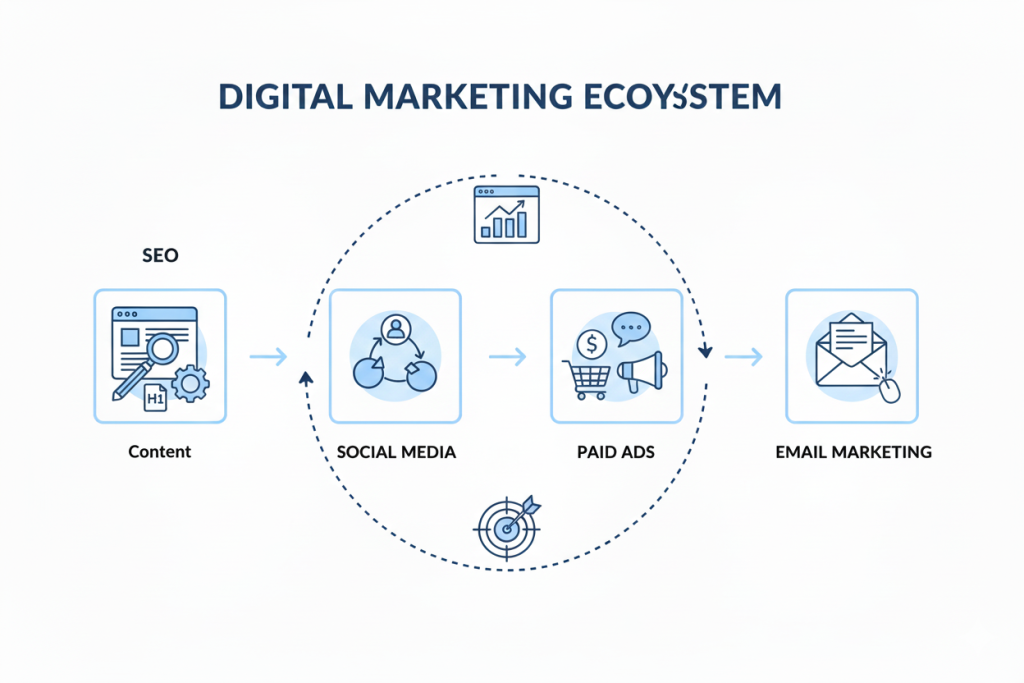
In digital marketing, SEO is the foundation of online visibility and organic growth. It helps businesses appear in search results when users are actively looking for information, products, or services. SEO allows brands to connect with their target audience at the right moment without interrupting their experience.
SEO works together with:
- Content marketing
- Social media
- Paid ads
- Email marketing
Without SEO, your digital marketing efforts may not reach the right audience. Even high-quality campaigns can lose impact if your website is not optimized. SEO ensures that all digital marketing channels work together effectively to build trust, visibility, and long-term success.
SEO for Beginners: What You Should Know
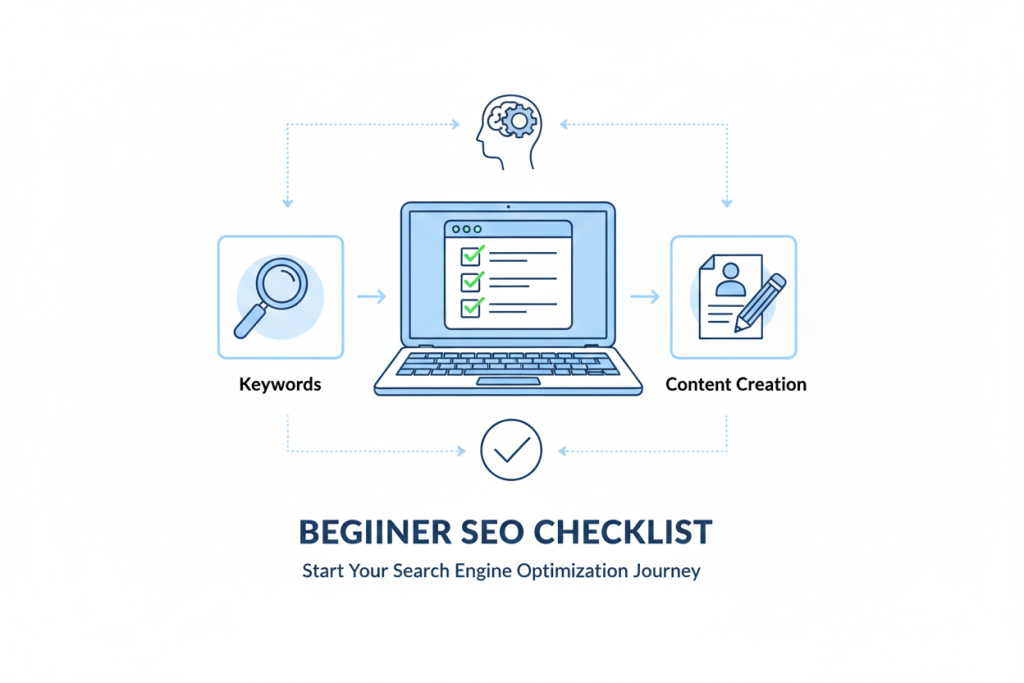
If you’re new to SEO, focus on these basics. SEO does not require shortcuts or complex tricks at the beginning. It begins with understanding your users, their problems, and the type of information they are seeking. When you focus on creating value instead of chasing algorithms, SEO becomes much easier and more effective in the long run.
At the beginner stage, consistency matters more than perfection. Learning SEO is a gradual process, and results take time to appear. By following the basics correctly and staying patient, you build a strong foundation that supports long-term growth.
- Create helpful and original content
- Use keywords naturally
- Make your website easy to navigate
- Optimize for mobile users
- Be patient – SEO takes time
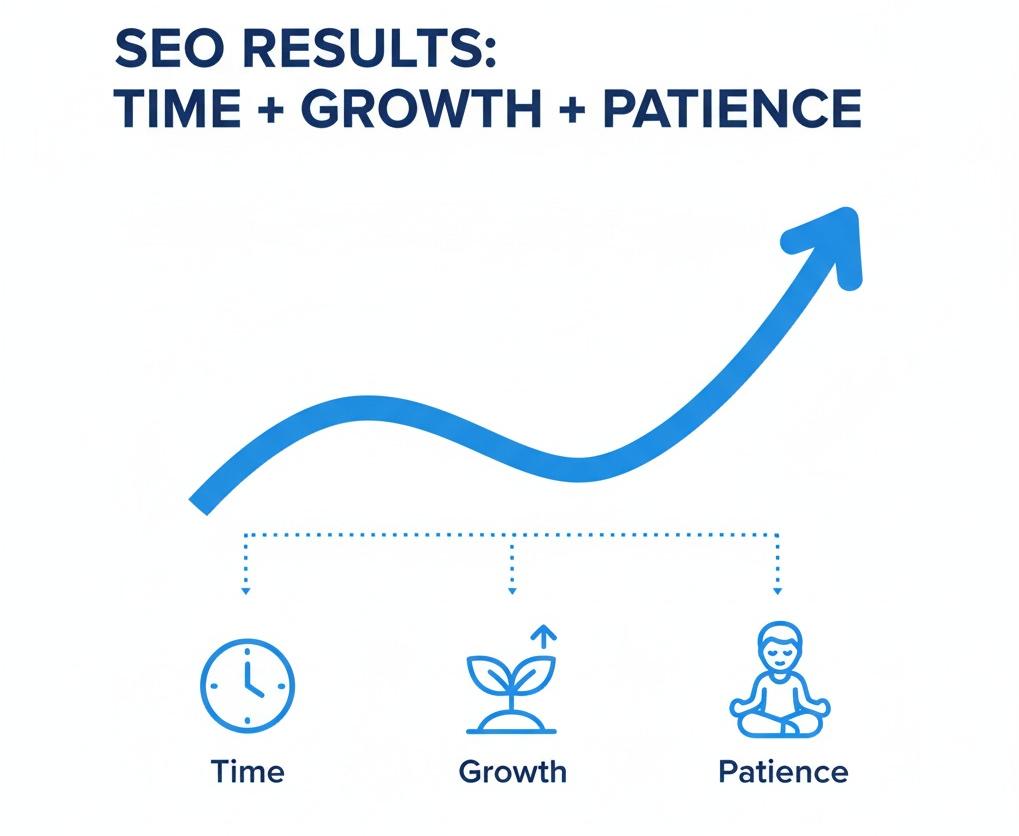
SEO is a long-term investment, not a quick shortcut. With consistent effort, learning, and improvement, SEO delivers lasting results that continue to grow over time.
How SEO Helps Business Growth
SEO helps businesses by connecting them with users who are actively searching for products or services related to their offerings. This means the traffic coming to your website is more relevant, more interested, and more likely to take action. Instead of reaching random audiences, SEO brings people who already have intent.
Over time, SEO strengthens your brand presence online and builds trust with your audience. As your website consistently appears in search results, users start recognizing and trusting your brand, which directly supports business growth.
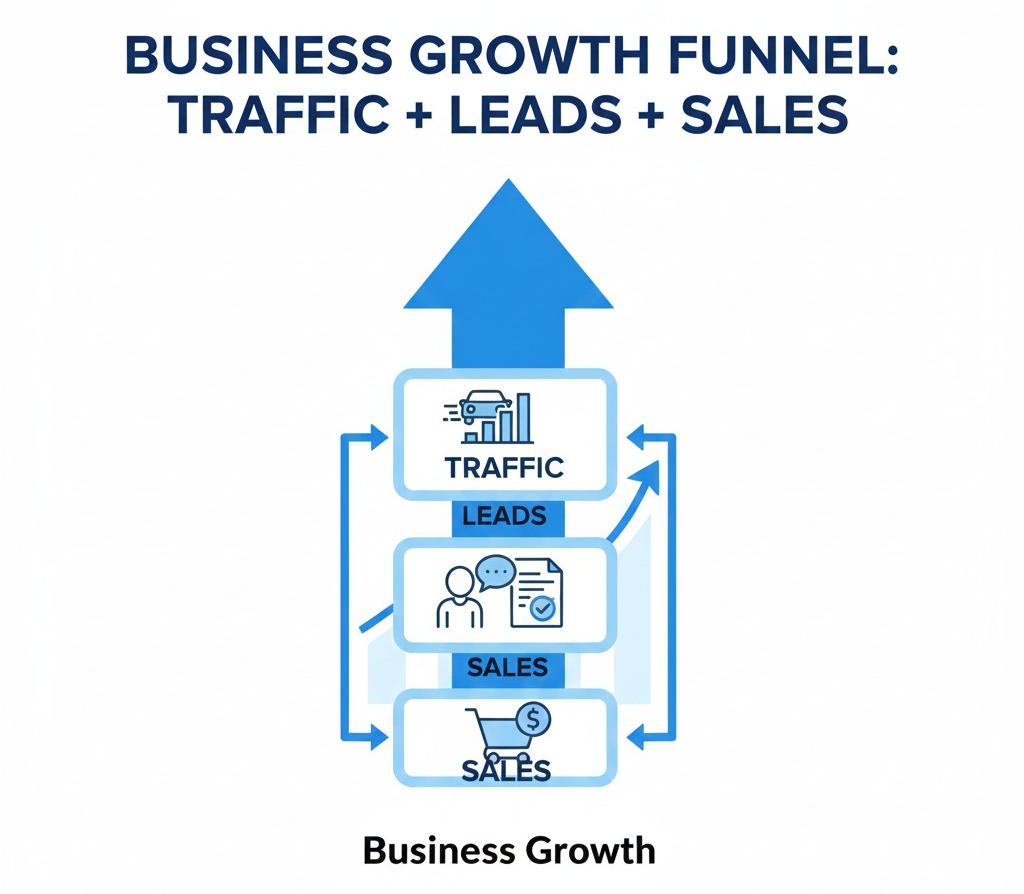
- Bringing targeted visitors
- Increasing brand trust
- Improving user experience
- Generating long-term revenue
When done correctly, SEO continues to deliver results even without ongoing ad spend, making it one of the most sustainable growth strategies.
Is SEO Worth It?
Yes, absolutely.
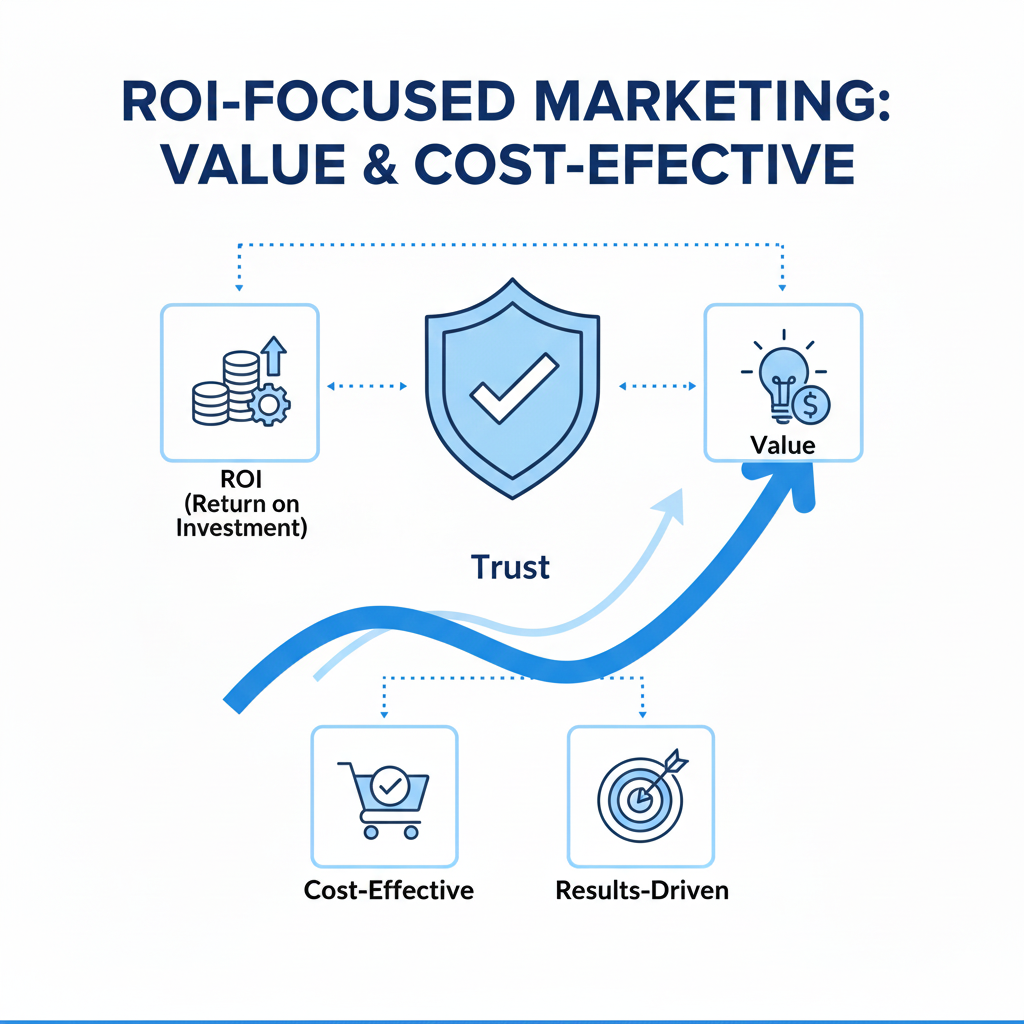
SEO is one of the most cost-effective and powerful digital marketing strategies available today. Unlike paid advertising, which stops delivering results once you stop spending, SEO continues to generate traffic and leads over time. It helps businesses build authority, credibility, and a strong online presence that competitors find difficult to replace.
By reducing dependence on paid advertising, SEO allows businesses to grow steadily while maintaining long-term control over their digital visibility.
Final Thoughts: What is SEO and Why It Matters
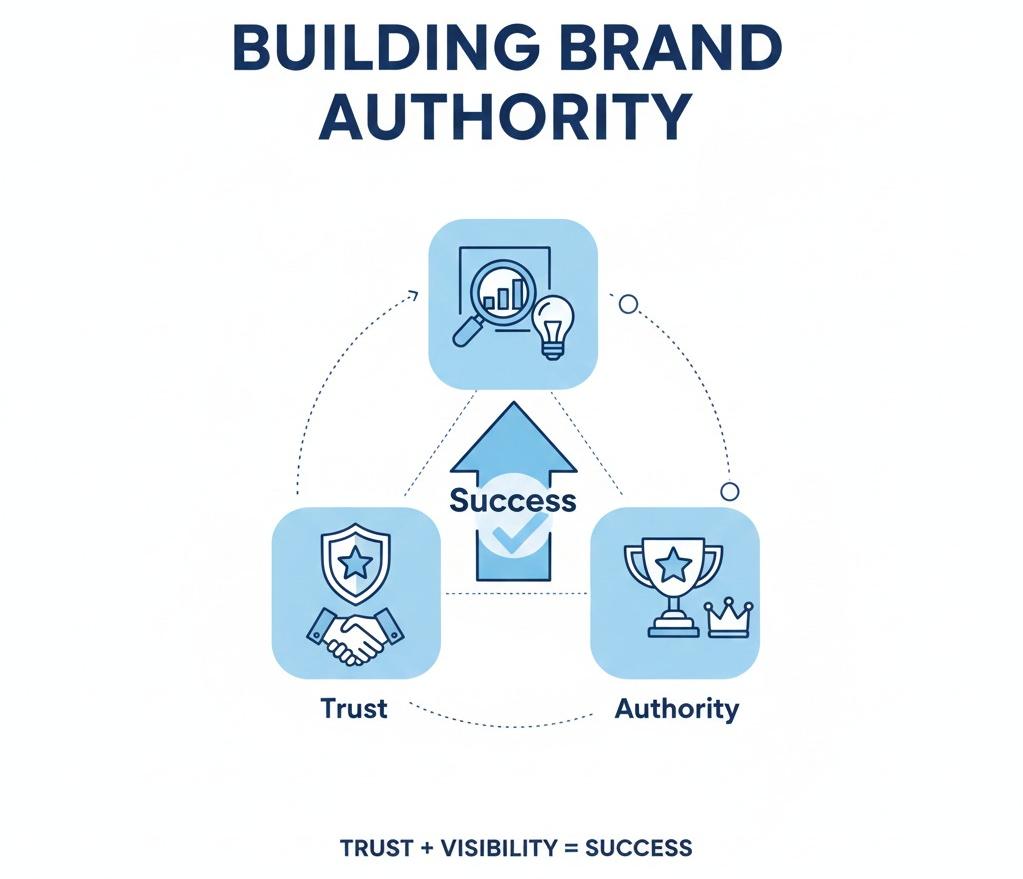
SEO is not just about rankings.
It’s about providing value, solving problems, and being visible where your audience is searching. When your website genuinely helps users, search engines reward it naturally. SEO helps you learn what your audience is searching for and allows you to answer them in the best possible way. When your website provides real value and a smooth user experience, search engines naturally trust it, which leads to higher rankings and consistent organic growth.
SEO is important because it helps your business appear exactly when someone needs it. It reduces the need for expensive ads, improves site performance, and builds long-lasting credibility. Whether you’re a beginner, a small business, or a big company, SEO works 24/7 to bring the right audience, increase trust, and turn visitors into loyal customers.
If you want your website to grow, attract the right audience, and build trust, SEO is essential.
Quick Summary:
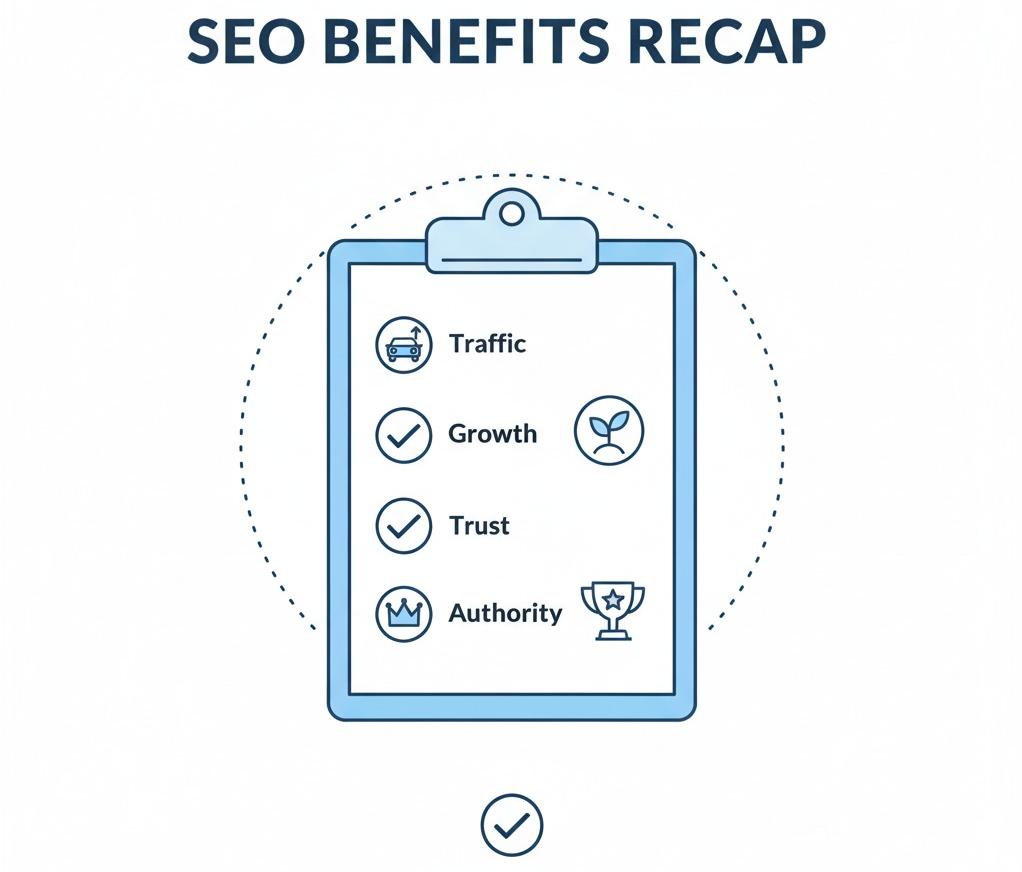
- SEO = Search Engine Optimization
- Helps websites rank higher on Google
- Drives organic traffic
- Builds trust and credibility
- Essential for business growth
wow